Compliance for schools: one building services checklist, mapped to DfE’s estate guidance
Statutory compliance for schools means keeping up the inspections, tests and servicing that the law and DfE’s Good Estate Management for Schools (GEMS) guidance expect for gas, fire, electrical, water, ventilation and air conditioning, and keeping the records to prove it. This page puts the building services items on one checklist with the frequency DfE or the regulations give, and links each one to the service that delivers it. Rossair carries out these checks for schools and colleges, scheduled to SFG20 and planned around term dates.
Building services compliance on one planned schedule
GEMS is DfE’s guidance for people who run school estates, and its health and safety section is where most of these duties sit. When the checks are split across several specialists and several diaries, dates are easy to miss. We put the building services items on a single schedule: gas and heating plant, F-Gas, water hygiene, electrical testing, life safety systems, LEV and ventilation. Certificates and test results are recorded against each asset, and remedial work is done by the same engineers who found the fault.
- PPM scheduled to SFG20, with statutory checks built in
- Certificates, test results and remedials recorded against each asset
- Gas Safe and REFCOM F-Gas registered engineers
- Visits planned around lessons, exams and school holidays
- 24/7 emergency cover for contract clients
- Remedial work carried out by the engineers who found the defect
Building services compliance checklist for schools
Frequencies come from the GEMS health and safety section (updated 20 July 2026), COSHH, HSE and GOV.UK. Where GEMS gives no interval, the card says so rather than guess. Your risk assessment, insurer or the manufacturer’s instructions can require shorter intervals.
Gas safety and boiler plant
GEMS treats at least annual gas safety checks of appliances and pipework as good practice, as part of a maintenance plan that follows the manufacturer’s instructions. Gas work must be done by a Gas Safe registered engineer. For oil-fired plant, burners are serviced at least annually, and tanks, bunds and pipework are checked at least weekly with a detailed inspection each year.
School heating and boilersF-Gas leak checks
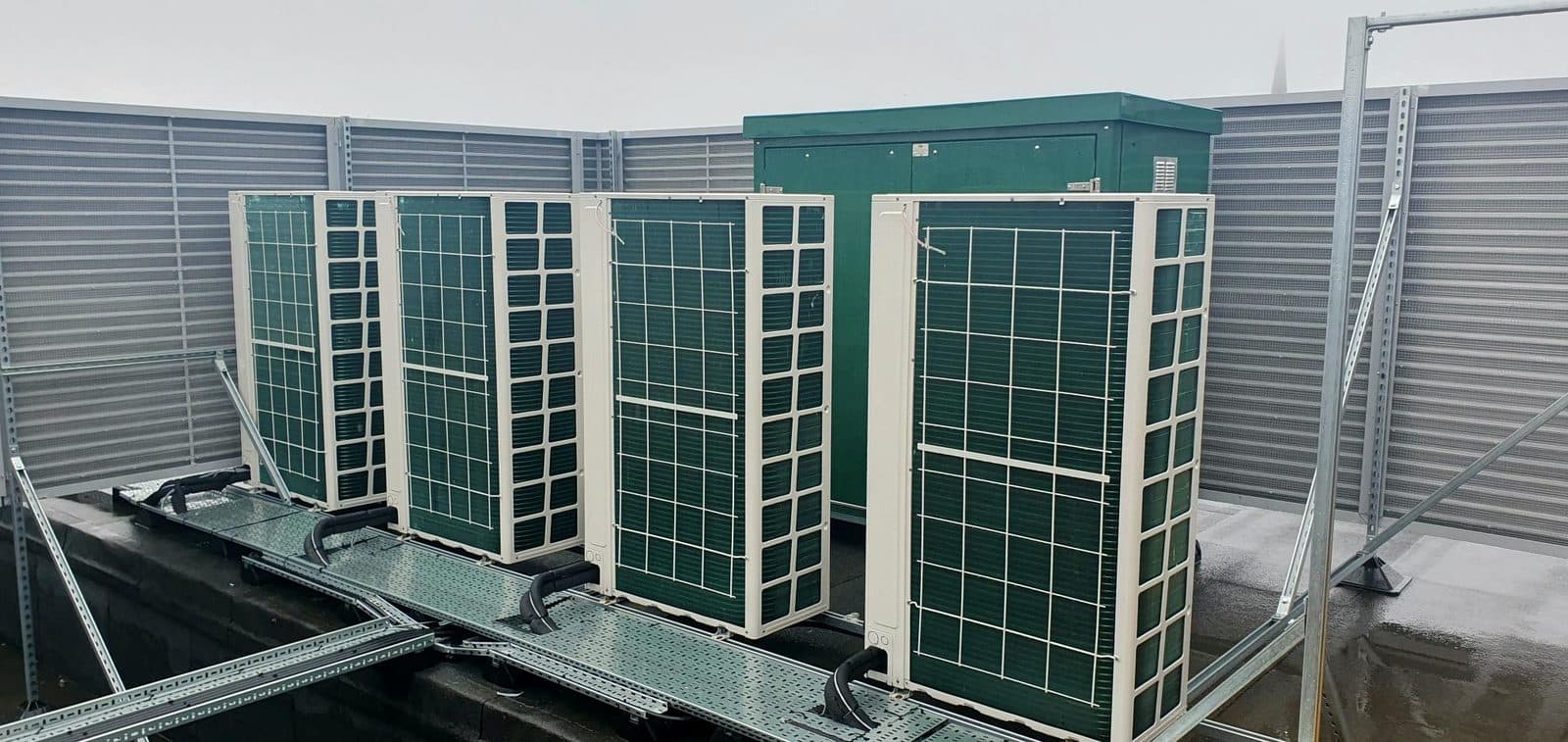
Air conditioning and heat pump systems that hold F-Gas need leak checks at least every 12 months for 5 to under 50 tonnes CO2 equivalent, every 6 months for 50 to under 500 tonnes, and every 3 months at 500 tonnes or more. A fitted leak detection system doubles the interval. A leak must be repaired as soon as possible and rechecked within a month.
Air conditioning for schoolsTM44 air conditioning inspection
Air conditioning with an effective rated output over 12kW must be inspected by an accredited energy assessor at intervals of no more than five years, and the report lodged on the national register. Several smaller units count as one system if their combined output is over 12kW.
TM44 inspectionsWater hygiene and Legionella (L8)
GEMS asks for a named responsible person, a risk assessment to HSE’s L8 code, a written scheme, monitoring and records. HSE’s temperature targets are hot water stored at no less than 60°C, reaching 50°C within a minute at outlets, and cold water below 20°C. GEMS gives no flushing or monitoring interval, so those come from your written scheme. Review the risk assessment after any significant change to the system.
Water hygiene for schoolsFume cupboards and LEV
Local exhaust ventilation, including science lab fume cupboards, must be thoroughly examined and tested at least once every 14 months under COSHH regulation 9, with the record kept for at least five years. Most schools test annually so the date never slips.
Fume cupboard testingFixed electrical installation (EICR)
GEMS requires periodic inspection of the fixed installation by a competent person, with the frequency set by risk assessment and shorter for higher-risk locations such as swimming pools. It gives no fixed interval, so the next date comes from the previous report. Portable appliance testing has no fixed frequency in law; it follows risk, and unsafe items come out of use at once.
EICR and fixed wire testingFire alarms
GEMS expects a weekly alarm test, using a different manual call point each week so all are covered over time, plus quarterly and annual inspection and testing by a competent person. Every test is recorded and the records must be available to the fire service.
Fire alarms and emergency lightingEmergency lighting
GEMS encourages a monthly flash test, recorded, and a detailed condition test every six months by a competent person, including a three-hour battery duration test.
Emergency lighting testingVentilation and indoor air quality
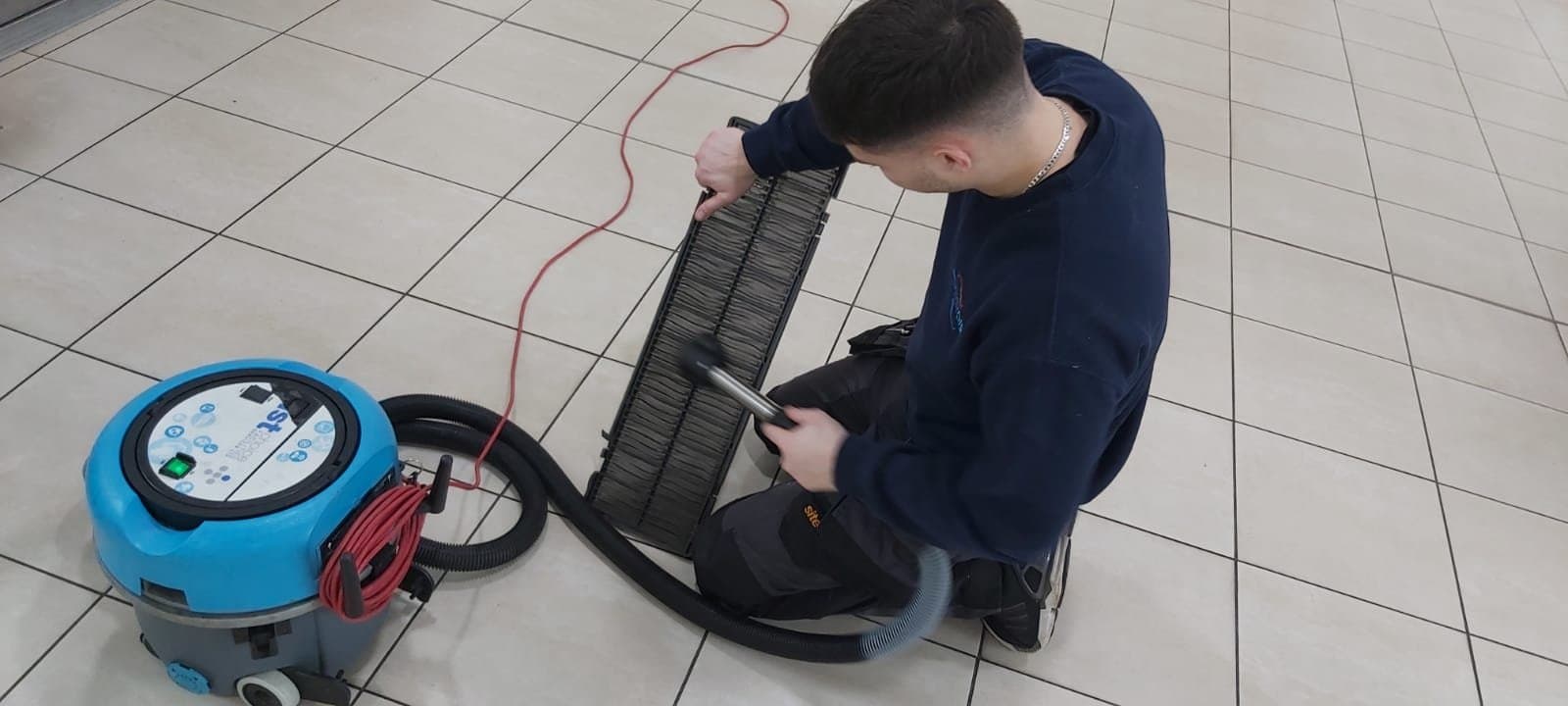
GEMS recommends periodic air quality monitoring but sets no interval, and suggests opening windows for 10 minutes an hour to refresh the air. BB101 sets the CO2 and overheating standards for teaching rooms. Kitchen extract ducts and filters are cleaned or replaced in line with the supplier’s recommendations.
BB101 school ventilationBuilding management system
GEMS sets no frequency for controls, but BB101 notes that building controls can record temperature, CO2 and energy use, which gives the continuous record behind your ventilation and heating checks. A BMS also lets the estate team correct set points between visits.
Building management systemsPlanned maintenance to SFG20
GEMS expects a maintenance plan for gas appliances, pipework and other plant that follows the manufacturer’s instructions. SFG20 is the industry specification for planned maintenance task frequencies, and it is the standard we schedule PPM to.
PPM contractsItems for specialist inspectors
The GEMS list also covers fire risk assessment, reviewed regularly and after significant changes, an asbestos management survey and register, lifts (thorough examination every six months under LOLER), fire extinguishers (inspected at least annually) and lightning protection (tested at least annually). They sit outside building services, so keep their dates on the same register.
Compliance run across a college group
Chichester College Group is our longest education contract: over 20 years, 11 campuses including Chichester College, Brinsbury, Haywards Heath, Worthing and Met College Brighton, all under one PPM contract. One schedule across that many sites is what keeps statutory dates visible. The work has also gone beyond maintenance: a 140kW heat pump installed from stock in 48 hours on the Chichester estate, and the 2025 HVR Award for Innovative Project, came out of the same relationship.
The rules and guidance behind the checklist
- GEMSDfE’s Good Estate Management for Schools: the health and safety section sets out the inspections and records expected for school buildings.
- COSHH 2002Regulation 9: local exhaust ventilation thoroughly examined and tested at least every 14 months, with records kept for five years.
- F-Gas rulesGOV.UK guidance on checking F-Gas equipment for leaks, with intervals set by the CO2 equivalent charge.
- EPB Regs 2012Energy Performance of Buildings Regulations: air conditioning over 12kW inspected by an energy assessor at least every five years.
- HSE L8The Approved Code of Practice for Legionella control, with HSG274 as the technical guidance on hot and cold water systems.
- Fire standardsBS 5839-1 for fire detection and alarm systems and BS 5266-1 for emergency lighting, the standards the tests are recorded against.
More for school and college estates
Questions about school compliance
What is statutory compliance for schools?
What is Good Estate Management for Schools (GEMS)?
How often does a school need a gas safety check?
How often should school fire alarms and emergency lighting be tested?
How often does a school need an EICR?
Does a school need a statutory compliance register?
What does a school need to do about Legionella?
If we’re not the right fit, we’ll tell you who is
Talk to us about school compliance
Your enquiry goes to our technical team. We call back within one working day.