
Commercial EICR and fixed wire testing, with the remedials done by the same engineers
An Electrical Installation Condition Report (EICR) is the periodic inspection and test of the fixed wiring in a building - the report that shows your electrical installation is safe to keep using. Rossair carries out commercial EICRs with NICEIC-registered engineers, phases the testing around occupied buildings, and fixes what it finds rather than handing you a list of codes and a second contractor to call.
Periodic inspection and testing for commercial and industrial premises
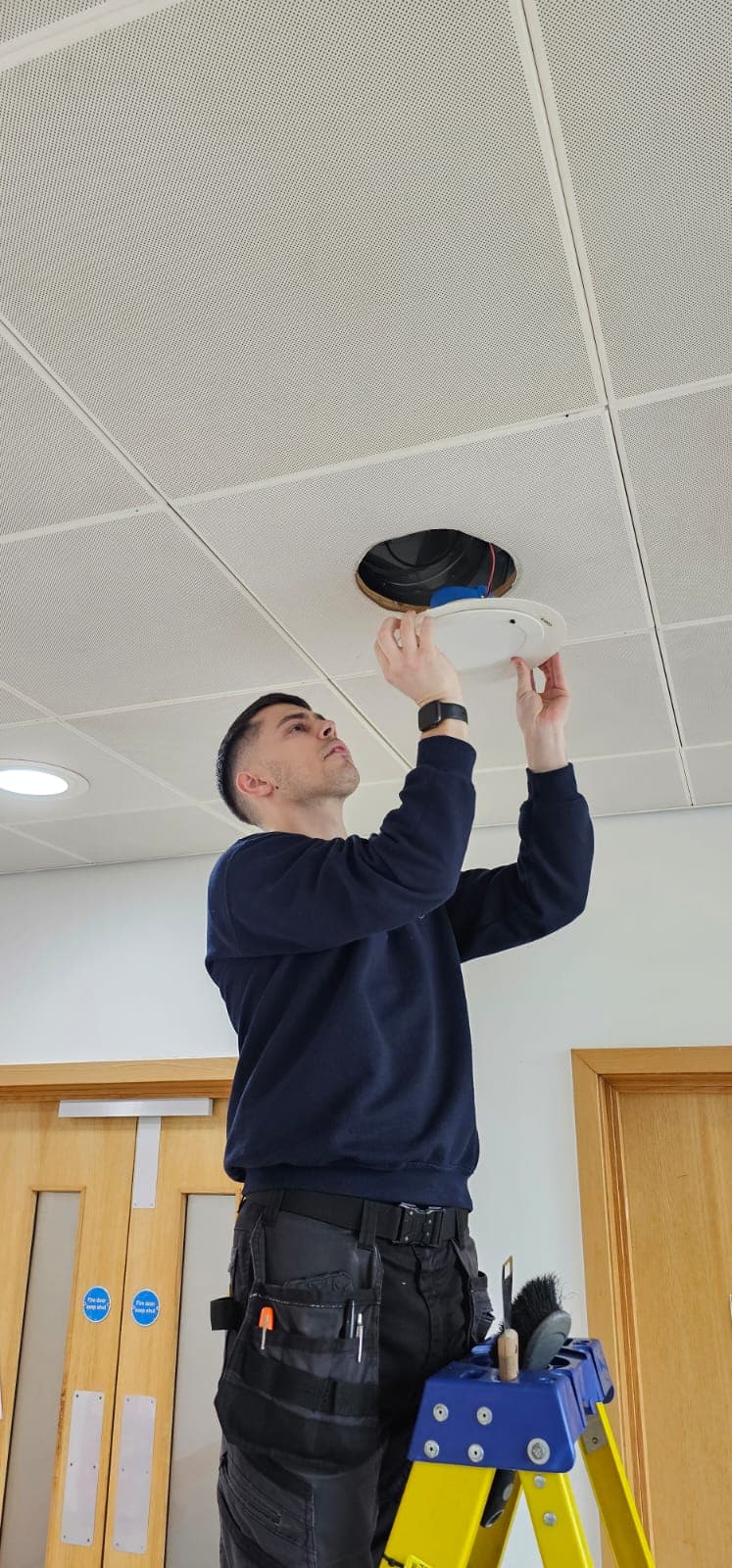
Fixed wire testing and EICR mean the same thing: the inspection is the process, the EICR is the report it produces. Our engineers inspect the installation, test each circuit (continuity, insulation resistance, polarity, earth fault loop impedance, RCD operation) and grade every observation C1, C2, C3 or FI. A report with C1 or C2 observations is unsatisfactory until the remedial work is complete, so we quote and carry out that work ourselves and issue the final certification. Testing in a live building is planned circuit by circuit, out of hours where it has to be, so a school, a ward or a trading floor is not switched off for a day.
- EICR to BS 7671 for offices, schools, care homes, NHS, retail, hotels and industrial units
- Every circuit tested, every distribution board inspected, observations coded C1, C2, C3 or FI
- Remedial work quoted and completed by the same engineers, then certificated
- Testing phased around occupancy - evenings, weekends and term breaks
- Thermographic surveys of distribution boards where high-load or ageing switchgear needs it
- PAT testing of portable appliances scheduled alongside the fixed wire test
- Certificates filed in your compliance pack with the next test date tracked
Testing that fits the estate, not the other way round
On a multi-site estate the EICR cycle is a programme, not an event. Rossair holds the test date for every building, schedules the inspection into the PPM calendar, and reports to one account manager. Chichester College Group has run on that model across 11 campuses for over 20 years, with electrical, mechanical and building services under one contract.
Compliance documentation included in every contract
- BS 7671IET Wiring Regulations, 18th Edition - the standard every EICR is assessed against.
- EAWR 1989Electricity at Work Regulations - the legal duty to maintain electrical systems so far as reasonably practicable to prevent danger. An in-date EICR is the evidence.
- NICEICNICEIC registration for inspection and testing - reports issued under the scheme.
- Guidance Note 3IET Guidance Note 3 on inspection and testing, including recommended intervals by premises type.
- IET Code of PracticeIn-service inspection and testing of electrical equipment (PAT) to the IET Code of Practice, 5th Edition.
- Fire Safety OrderRegulatory Reform (Fire Safety) Order 2005 - electrical condition feeds the fire risk assessment.
Sectors we serve
Other electrical services
Questions about commercial EICR and fixed wire testing
What is an EICR?
How often does a commercial property need an EICR?
What do the EICR codes C1, C2, C3 and FI mean?
Is an EICR a legal requirement for a business?
How disruptive is fixed wire testing in an occupied building?
Does Rossair do PAT testing as well?
What does a commercial EICR cost?
If we’re not the right fit, we’ll tell you who is
Book a commercial EICR
Your enquiry goes to our technical team. We call back within one working day.