Wembley Health Centre
Wembley Health Centre needed a fundamental shift in how the building was heated, driven by the NHS commitment to become a carbon-neutral service by 2040. The brief went well beyond minor upgrades, and every stage had to be delivered while the centre stayed a fully operational clinical environment.
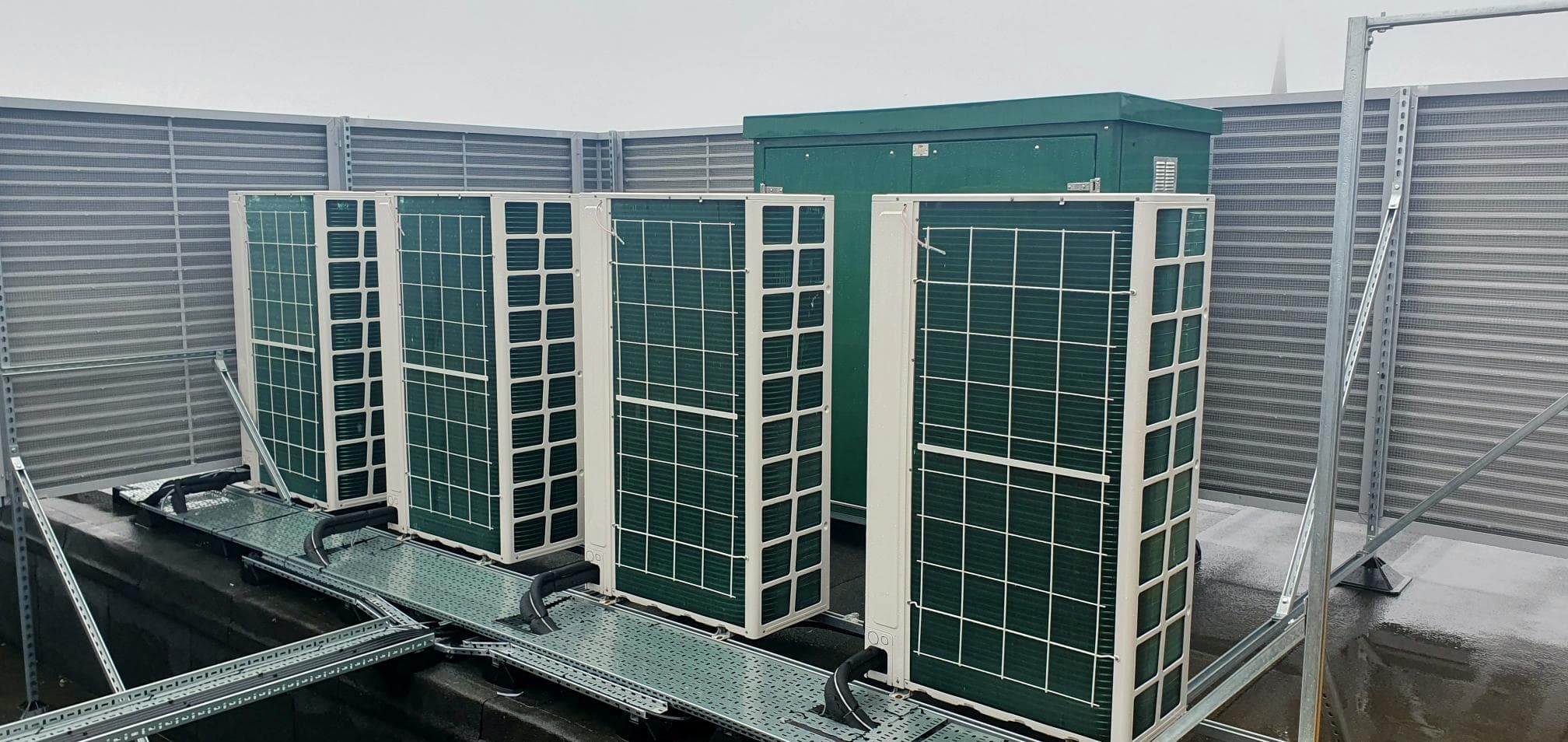
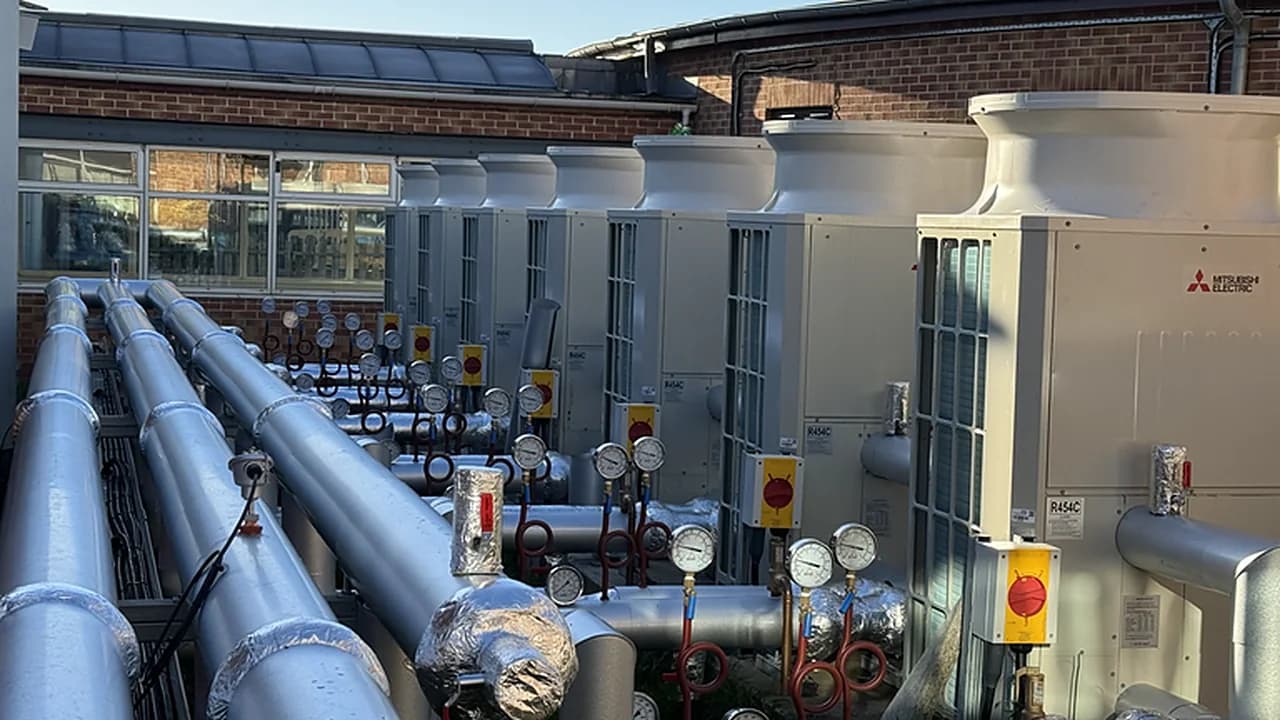
Decarbonisation was embedded into decision-making from the start rather than treated as an add-on. The project progressed to a fully calculated Stage 4 design, where heat pumps delivered the greatest carbon reduction and enabled the complete removal of gas from the site.
Delivering that change in a live building meant managing a significant impact on electrical infrastructure, navigating extensive client and stakeholder governance, and addressing acoustic constraints that often require costly mitigation to satisfy planning.
What we delivered
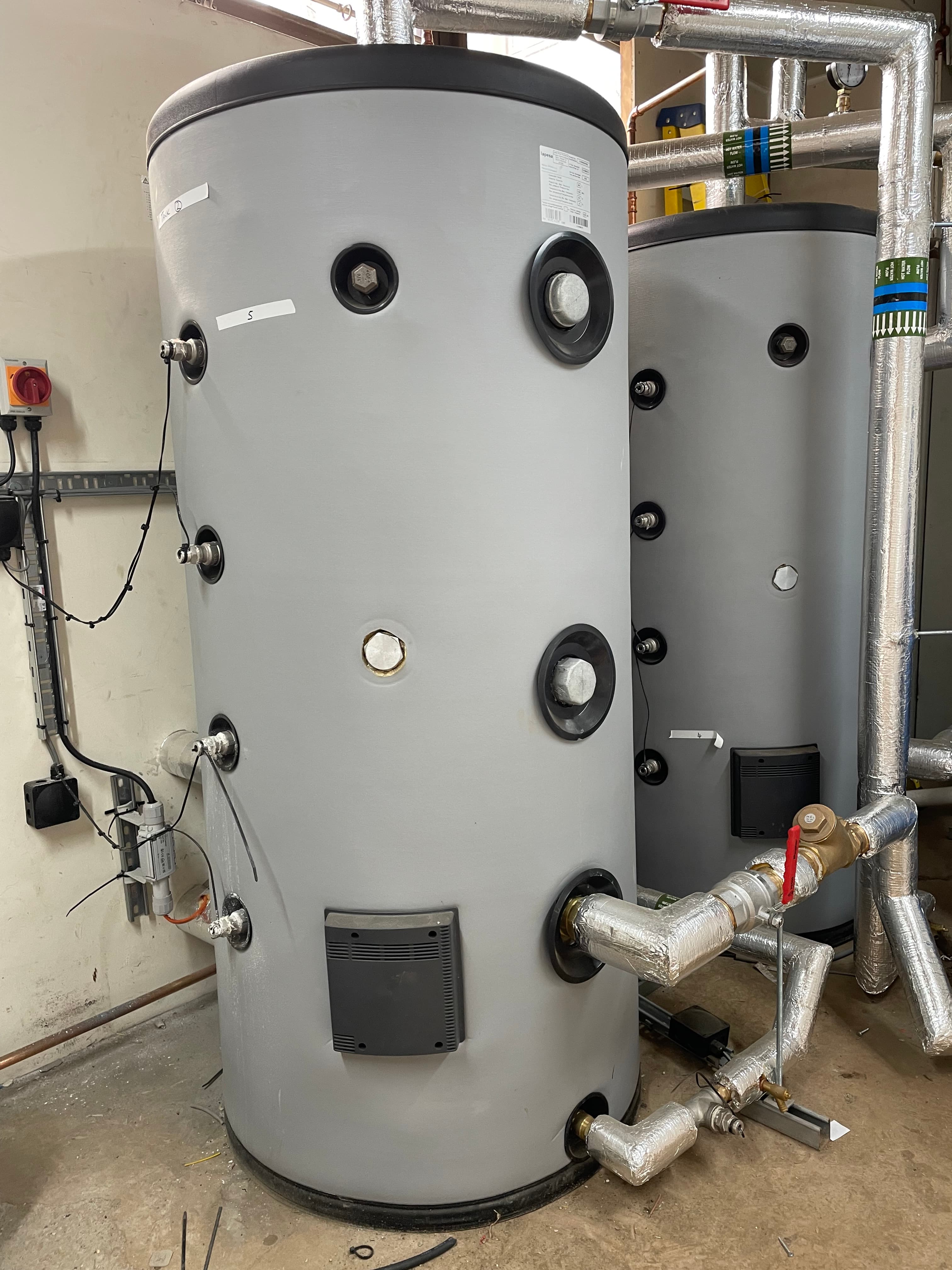
- Complete removal of gas from the site
- A brand-new, fully electrified heating system
- A system designed to future-proof the building for the next 25 years
- Meaningful progress towards the NHS long-term decarbonisation targets
What it taught us
We publish the lessons because pretending decarbonisation is simple helps nobody. Four things every estates team should know before starting:
- Electrical capacity is a critical risk - engage the network operator (UKPN here) early, before the design locks in
- The acoustic impact of heat pumps is routinely underestimated and can drive significant cost to satisfy planning
- Out-of-hours working in a live building must be scoped and priced properly from day one
- Strong, proactive designers make a measurable difference - carbon has to be a design driver, not an add-on
“Decarbonisation is not just about technology. It is about planning, trade-offs and delivery discipline. Projects like this show what it really takes to move from net-zero ambition to real-world delivery.”