
Emergency lighting and fire alarm systems, installed and tested to the standard
Emergency lighting and fire detection are the two systems a fire risk assessor, an insurer and the fire service will all ask about first. Rossair designs, installs, tests and services both - emergency lighting to BS 5266-1 and fire alarm systems to BS 5839-1 - with the test records kept in a logbook the responsible person can produce on demand.
Life safety systems designed, installed, tested and serviced
Under the Regulatory Reform (Fire Safety) Order 2005 the responsible person for a non-domestic building must make sure emergency routes are lit when the mains fails and that a fire can be detected and the building warned. Rossair delivers both systems. Emergency lighting: self-contained luminaires or central battery systems, escape route and open-area lighting designed to BS 5266-1, monthly function tests and the annual full-duration test. Fire alarms: systems designed to the BS 5839-1 category the risk assessment calls for (L1 to L5 for life protection, P1 and P2 for property), installed, commissioned, and serviced on the periodic schedule. Because we also maintain the HVAC plant, the cause-and-effect between the fire alarm and the ventilation - damper closure, AHU shutdown, smoke control - is designed and tested by one team.
- Emergency lighting design and installation to BS 5266-1 - escape routes, open areas, high-risk task areas
- Self-contained and central battery emergency lighting systems
- Monthly function tests and annual 3-hour duration tests, recorded in the logbook
- Fire alarm system design, installation and commissioning to BS 5839-1, categories L1 to L5 and P1 to P2
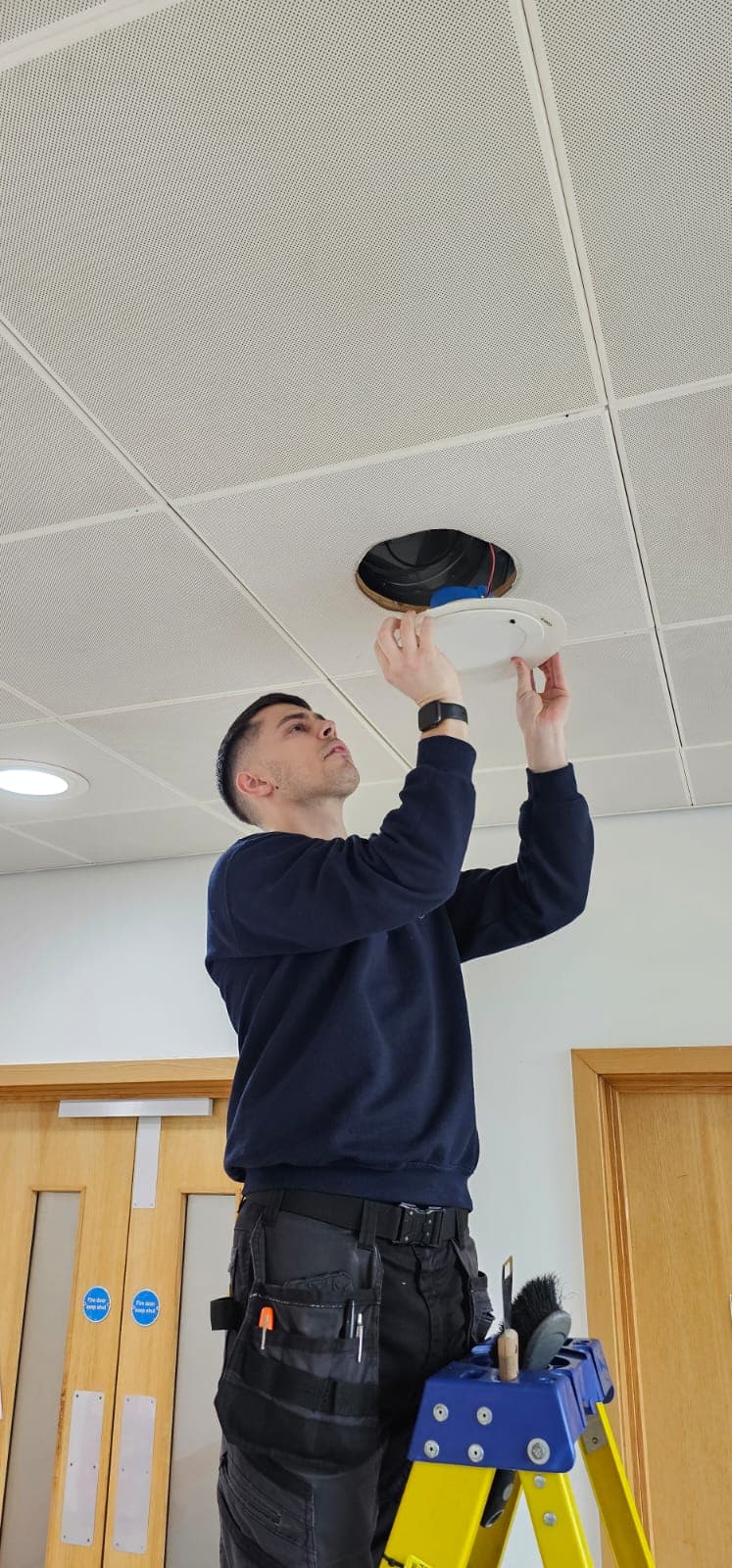
- Periodic fire alarm servicing, false-alarm management and detector cleaning or replacement
- Fire alarm cause-and-effect with HVAC - fire dampers, AHU shutdown and smoke control interfaces
- Intruder alarms and lightning protection delivered within installation projects
One team across the fire alarm and the plant it has to shut down
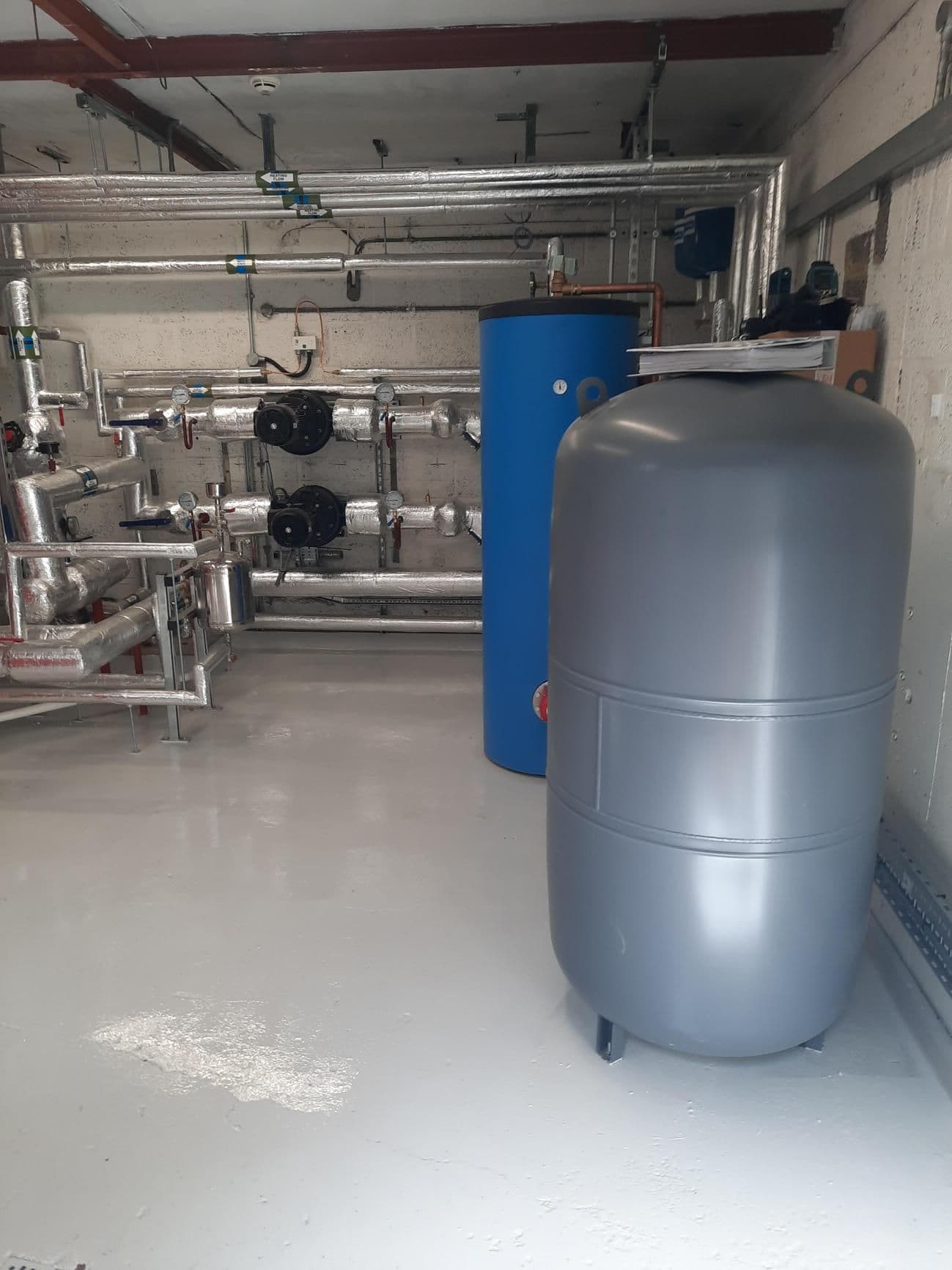
In NHS, care and education buildings the fire alarm does more than ring. It closes dampers, shuts down air handling and in some buildings runs the smoke control. When the fire alarm contractor and the ventilation contractor are different companies, the interface is the first thing to go untested. Rossair has delivered mechanical and electrical installations in live NHS clinical environments, including the Wembley Health Centre decarbonisation, where the life safety interfaces were designed, installed and witnessed by the same engineers who commissioned the plant.
Compliance documentation included in every contract
- Fire Safety OrderRegulatory Reform (Fire Safety) Order 2005 - the responsible person’s duty to provide and maintain fire detection and emergency lighting.
- BS 5266-1Emergency lighting code of practice - design, installation, monthly and annual testing.
- BS 5839-1Fire detection and fire alarm systems for buildings - design, installation, commissioning and maintenance.
- BS EN 1838Lighting applications - emergency lighting illuminance levels for escape routes and open areas.
- BS 7671IET Wiring Regulations - supplies to life safety systems designed and certificated to the current edition.
- BS EN 62305Lightning protection systems designed and installed to the European standard.
Sectors we serve
Other electrical services
Questions about emergency lighting and fire alarm systems
How often does emergency lighting need to be tested?
How often does a fire alarm need to be serviced?
What category of fire alarm system does my building need?
What is the difference between self-contained and central battery emergency lighting?
Can Rossair link the fire alarm to the ventilation and air handling plant?
Does Rossair install intruder alarms and lightning protection?
If we’re not the right fit, we’ll tell you who is
Talk to us about emergency lighting and fire alarms
Your enquiry goes to our technical team. We call back within one working day.